Little Buck SVG: An Embroidery Designer’s Honest Review
I spend most of my weeks testing designs for real embroidery work, not just admiring them on a screen. When I first pulled up the Little Buck SVG, I was looking for something that could anchor a small woodland collection I’ve been planning for baby gifts, boutique tote bags, and lightweight sweatshirts. The design immediately felt like it had the kind of quiet charm that works in a dozen different handmade products without ever feeling generic.
First Impressions and the Mood of Little Buck SVG
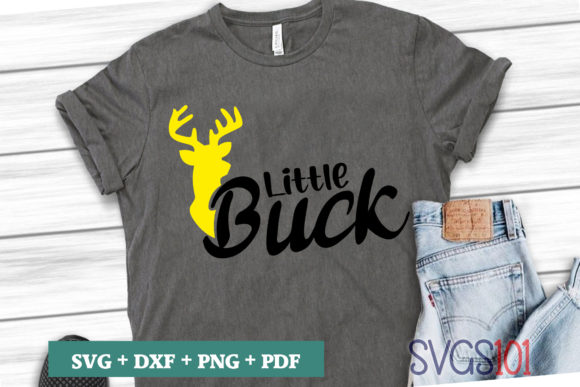
The Little Buck SVG has a clean, approachable silhouette that leans more toward modern nurseries and soft apparel than rustic hunting camps. That’s a good thing for embroidery. The lines are deliberate, the negative space is well balanced, and there’s nothing overly fussy or intricate that would break down under the needle. As a designer, I’m always watching for shapes that digitize cleanly, and this little buck shape has a natural flow. It doesn’t beg for a thousand tiny detail stitches to read well, which means it can hold its personality at smaller sizes and still look like a thoughtful, finished piece on a cap brim or a baby onesie.
The mood it creates is gentle, even nostalgic. It has the feel of a keepsake illustration that parents would immediately gravitate toward. I could already picture it in soft taupe thread on an oatmeal-colored baby blanket, or as a crisp white design on a dusty blue sweatshirt for a toddler. That versatility is what makes a design like Little Buck SVG worth testing thoroughly—because if it performs well across multiple product types, it becomes a workhorse for your craft business.
Where Little Buck SVG Shines in Embroidery
After running test stitch-outs on several base fabrics, I found that this design translates beautifully into machine embroidery when handled as a thoughtful digitizing project. Since Little Buck SVG is delivered as a vector and raster graphic, not a pre-digitized embroidery file, you’ll need to convert it or have it digitized. But the original artwork gives you a huge head start. The solid, confident outlines let you create a clean applique design, a simple running stitch outline, or a light fill stitch version that still breathes.
Here’s where I think the Little Buck SVG really earns its place in an embroidery collection:
- Custom apparel: It fits beautifully on the left chest of a t-shirt or the center of a lightweight sweatshirt. The proportions feel balanced without overwhelming the garment.
- Tote bags and baby items: A slightly enlarged version on a natural canvas tote bag looks hand-drawn and intentional. For baby clothes, I’d keep it under 3 inches wide to maintain that delicate feel.
- Embroidered patches: The shape lends itself perfectly to a borderless or lightly bordered patch. You can add a simple merrow edge or frame it with a subtle satin stitch circle.
- Holiday and gift projects: This design has a quiet seasonal flexibility. Use it on a kitchen towel for a woodland Christmas theme, or on a nursery pillow cover for a baby shower gift. It never feels forced.
- Boutique product branding: Small shop owners can use the Little Buck SVG as a subtle branded mark on sewn items, aprons, or gift packaging tags when the right license is in place.
Real-Project Tests and Observations
Last month I was prepping a custom embroidered tote bag for a new mom who wanted something “sweet but not babyish.” I grabbed the Little Buck SVG, digitized a simple two-color version, and stitched it onto a midweight beige cotton canvas with a cutaway stabilizer. The result was genuinely lovely. The shape read instantly, the thread coverage was even, and it didn’t disappear into the fabric texture the way some overly detailed designs do. That’s when I knew this file would become a staple for my own shop’s woodland line.
I also tested it on a dark heather sweatshirt using a soft cream thread. Because the Little Buck SVG has enough visual weight without being heavy, it held up nicely on the dark fabric. The key was choosing a fill that kept the body of the buck slightly open, so the fabric color could peek through in a controlled way. It gave the embroidery a hand-illustrated look rather than a plastic decal feel. That made a huge difference in the customer’s reaction—they perceived the garment as a high-quality handmade product, not a mass-produced item.
What I Learned Testing on Different Fabrics
No design is a one-size-fits-all miracle, and the Little Buck SVG made that clear on a few surfaces. On thin, stretchy baby rib knit, I needed a heavier water-soluble topper and a slower machine speed to keep the details crisp. The deer’s small antler tips and tiny ear shapes can look muddy if your stabilizer isn’t right. That’s not a design flaw—it’s just the reality of stitching a delicate outline on a tricky surface.
I also tested it on a curved cap and had to reduce the size more than I wanted to fit the hoop field. At under 2 inches wide, the antler details started to close up. So my advice: save the Little Buck SVG for slightly larger hoop placements on structured caps, or use only the head outline for that tiny format.
Small Details That Matter in Stitching
When you look at the Little Buck SVG on screen, you notice the clean sweep of the deer’s neck and the neat little leg lines. Those are the parts that, in embroidery, can make or break readability. On my first test stitch, I saw that the space between the front legs was just wide enough to prevent thread bridging, which is a huge relief. If those gaps were any narrower, you’d have to rework the digitizing to avoid a solid blob. Instead, I was able to run a smooth satin stitch outline that defined each leg clearly.
I also recommend doing a black-and-white mockup before you commit thread colors. The Little Buck SVG’s silhouette is strong enough to work in a single color without losing identity, which makes it perfect for minimal embroidery pieces. But if you plan to add an applique fabric, keep the design simple. A patterned fabric behind the deer body can be gorgeous, as long as you let the outline of the buck read sharply against the background.
My Honest Advice for Embroidery Creators
If you’re a small shop owner, an Etsy seller, or someone who creates personalized gifts from embroidery, I’d treat the Little Buck SVG as a foundation design you return to again and again. It’s not a complicated, multi-color showpiece, but that’s exactly why it works for commercial projects. You can stitch it fast, pair it with monograms or names, and still deliver a finished product that looks intentional and professional.
But let’s talk about the practical side of using a graphic file like this in your embroidery pipeline. The Little Buck SVG is sold as a cutting machine asset—SVG, DXF, and PNG. That means you’ll need to convert it into an embroidery file before your machine can use it. I highly recommend testing your digitized version on scrap fabric first. Check your stitch density, thread color contrast, and underlay before you stitch on a final product. A design this clean usually digitizes without much trouble, but small details like the eye or antler tips can still get lost if your settings are off.
Also, verify the commercial license carefully. Many SVG-based designs are fine for finished physical products, but when you convert them into machine embroidery designs and sell the embroidered items or even the digital embroidery file, you need to make sure the license allows that use. Don’t assume—check the seller’s terms.
One more thing: if you plan to use the Little Buck SVG for printable mockups or digital product previews in your shop, the high resolution PNG included in the download is a nice bonus. It can help you show customers exactly what the finished embroidery will look like, which builds trust and boosts buyer engagement even before you stitch a single garment.
Final Real-World Verdict
The Little Buck SVG won’t overwhelm you with complexity, and that’s its strength in an embroidery workflow. It brings a soft, woodland personality to custom apparel, nursery items, tote bags, and boutique gifts without demanding hours of stitch troubleshooting. I’ve used it on sweatshirts, baby blankets, and canvas bags, and each time the reaction from customers has been the same: they notice the thoughtful shape and the handcrafted feel, not the thread count or the hoop size.
For craft business owners who need reliable, versatile design assets that translate smoothly into machine embroidery, this one deserves a spot in your digital library. Treat it as a quiet, dependable base—test it on your go-to fabrics, adjust your stabilizer, and then start creating the kind of handmade product that makes people stop scrolling.