Mother of the Groom: A Designer's Embroidery Review
There is a quiet joy that comes with opening a new design file, especially one tied to a moment as meaningful as a wedding. Mother of the Groom lands somewhere between sentimental and celebratory, and before I even import it into my embroidery software, I am already picturing it stitched out on a soft blush sweatshirt, a linen tote, or perhaps a simple canvas pillow cover destined for a bridal shower gift table. The title alone carries emotional weight, and for anyone running a small craft business or stocking an Etsy shop, this is exactly the kind of wording that stops a shopper mid-scroll.
First Look at the Mother of the Groom Design Personality
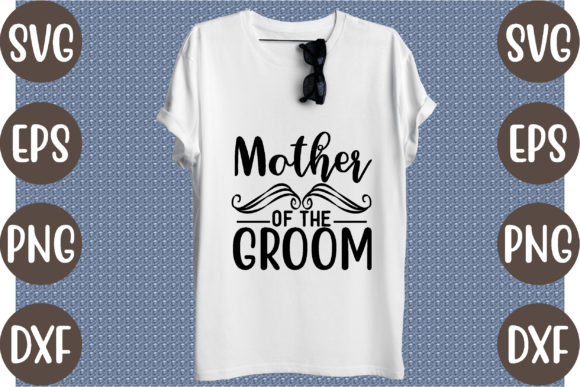
The design carries a gentle, heartfelt presence. I was expecting something overly ornate given the wedding theme, but what I appreciate right away is the balance between decorative flair and readability. Some Mother of the Groom concepts lean too heavily on cursive flourishes that turn into a thread-pulling nightmare at small hoop sizes, but this one feels thoughtfully composed. The letterforms have personality without sacrificing clarity, and that matters deeply when you are stitching on textured fabric or a curved surface like a cap.
When I look at a graphic intended for T-Shirt Designs, I ask one question immediately: will this read well from three feet away? The answer here is yes, provided the stitch density and thread color choices are handled with care. The mood feels warm, personal, and slightly understated — the kind of design that makes a handmade product feel boutique rather than homemade.
Real Project Scenario: A Custom Embroidered Tote for the Wedding Morning
Here is the scenario running through my mind as I evaluate this design for real use. A customer messages me two weeks before her son's wedding. She wants a personalized tote bag for the bride's mother and herself, something they can carry on the wedding day with emergency kit items, tissues, and maybe a small flask of something calming. She needs the Mother of the Groom design embroidered on natural canvas totes, one in soft sage green thread and the other in dusty rose.
Immediately I am thinking about fabric texture. Canvas is forgiving but thirsty — it can swallow fine details if the stitch density is too light. I would run a test stitch on a scrap of similar weight canvas before committing to the final totes. The design appears to have enough presence to hold its own against a woven surface, but I would want to confirm that any delicate connecting strokes do not disappear into the fabric weave. A medium-weight cutaway stabilizer would be my starting point, and I would avoid tear-away on something that will see repeated use and possibly a gentle wash after the wedding weekend.
Thread Color Strategy for Different End Products
One of the strongest assets of the Mother of the Groom design is its versatility across thread color palettes. I can see this stitched in metallic gold on a navy apron for a rehearsal dinner, or in crisp white on a heather gray sweatshirt for a casual wedding morning photo. The design does not rely on color complexity to make its point, which means the embroiderer has enormous creative freedom.
I always advise testing the design in a single color first, even if you plan to offer multiple thread options later. Look at it on light fabric and dark fabric side by side. Sometimes a design that looks balanced on a white tote feels top-heavy on a charcoal tee, and you will not know until you see it stitched out. For a gift as emotionally charged as this one, thread sheen also matters. A rayon thread will catch the light beautifully for a pillow cover or decorative towel, while a matte polyester thread might feel more appropriate for everyday apparel that needs frequent laundering.
Where the Mother of the Groom Design Shines Brightest
After spending time with this graphic, I can confidently list the projects where it would perform best. The top tier includes embroidered patches, tote bag designs, sweatshirt embroidery, pillow covers, kitchen towels destined for bridal shower gifts, and custom apparel for the wedding party. The design's emotional resonance makes it a natural fit for personalized gifts, and that is exactly where small shop owners and Etsy sellers can build a compelling product story.
For craft fair products, I would consider pairing the Mother of the Groom embroidery with a coordinating design — perhaps a simple floral accent or a small heart motif — to create a mini collection. Shoppers at handmade markets are drawn to cohesive displays, and a well-stitched sample hanging at eye level will absolutely stop someone who is attending six weddings this year and needs a gift that feels thoughtful rather than generic.
- Wedding morning tote bags and cosmetic pouches
- Soft crewneck sweatshirts for getting-ready photos
- Linen aprons for the rehearsal dinner hostess
- Canvas pillow covers as keepsake gifts
- Embroidered patches for denim jackets or jean jackets
- Tea towels for bridal shower favor bundles
- Baby onesies for a grandmother announcement reveal
- Caps and hats for outdoor wedding events
Practical Considerations Before You Stitch
Now let me walk through the things I check before loading any design onto my machine, because enthusiasm for a beautiful graphic should always be paired with practical diligence. The product description states you will receive SVG, DXF, EPS, and PNG formats, which is a solid starting kit for both embroidery digitizing and creating printable mockups or design assets for a shop listing. However, no embroidery-specific file format is mentioned, so you will need to digitize the design yourself or work with a digitizer to convert it into a stitch-ready format for your specific machine.
This is not a drawback — it is simply a workflow reality. Many experienced embroiderers prefer to control their own digitizing settings anyway, especially for a design that will be sold commercially. What matters is that the source artwork is clean, and from what I can see, the Mother of the Groom graphic provides a strong foundation for digitizing with smooth curves and legible spacing.
Hoop Size, Fabric Type, and the Tricky Details
Small lettering is always the first thing I inspect when evaluating a design for embroidery. If the Mother of the Groom text contains fine connecting lines or delicate serifs, those will need careful attention during the digitizing phase. I would recommend a minimum hoop size of 4x4 inches for most applications, but I would feel safer in the 5x7 range, especially if the design includes decorative elements that extend beyond the main lettering. A design that fits beautifully in a 5x7 hoop opens up far more product possibilities — sweatshirt backs, tote bag centers, pillow cover fronts — without pushing the limits of what a small business machine can handle.
Stretchy fabrics like cotton jersey or performance blends require extra caution. A design with dense satin stitch sections may pucker on a thin t-shirt if the stabilizer is not adequate. For baby clothes or lightweight apparel, I would reduce the stitch density slightly, use a soft cutaway stabilizer, and consider adding a water-soluble topping to prevent the stitches from sinking into the fabric pile. Dark fabrics present another layer of consideration: a design that reads clearly on white may lose contrast on charcoal or navy if the thread color choice is not adjusted accordingly. Always test on the exact fabric and colorway you plan to sell.
Commercial Use, Licensing, and Small Shop Realities
If you are an Etsy seller, a craft business owner, or someone building a handmade product line, the licensing question is non-negotiable. The product description does not include explicit commercial use terms, so I would strongly recommend reaching out to the seller or designer to confirm whether you are permitted to sell finished physical products featuring the Mother of the Groom design. This is especially critical for a wedding-themed graphic, where trademark considerations around phrases or slogans could also apply. Doing your due diligence protects your shop, your reputation, and your ability to sell with confidence at craft fairs, on Etsy, or through your own website.
Beyond the legal layer, think about how this design fits into your brand identity. A cohesive shop that sells wedding party apparel, personalized gifts, and holiday embroidery will find this graphic a natural addition to the catalog. If your shop leans more toward edgy streetwear or minimalist modern decor, the Mother of the Groom design might feel like an outlier unless you style it intentionally with complementary products.
Stitch Density, Digitizing Notes, and Product Value
When I look at a design in the Graphics category, I am already thinking about stitch types. A well-digitized version of Mother of the Groom would likely use satin stitch for the main lettering to achieve that smooth, slightly raised finish that customers associate with quality embroidery. Fill stitches could work for larger decorative elements, while running stitches might handle fine accent lines or underlay. The key is achieving a stitch density that feels substantial without becoming stiff or causing the fabric to buckle.
A design that stitches out cleanly, washes well, and holds its shape after multiple laundry cycles builds immediate customer trust. When a buyer pulls a sweatshirt out of the gift box and sees embroidery that looks polished rather than puckered, they are far more likely to leave a five-star review, tag your shop on social media, and return for future purchases. The Mother of the Groom design has the potential to deliver that kind of reaction, but the execution rests entirely on the digitizing decisions and the care taken during production.
Product Photography, Mockups, and Buyer Engagement
Since the product files include PNG format, you have an immediate asset for creating digital mockups, listing photos, and social media previews even before you stitch a single physical sample. I use PNG files constantly to mock up how a design will look on different product backgrounds, and this is a practical advantage for sellers who want to list their items quickly. A clean mockup showing the Mother of the Groom design on a natural linen tote or a cozy cream sweatshirt can generate pre-orders and gauge customer interest before you invest in full production.
For Etsy sellers and small shop product photography, I recommend showing the finished embroidery on at least two different products — perhaps a structured tote and a soft apparel item — so buyers can visualize the design in multiple contexts. Lifestyle shots, even simple ones taken near a window with natural light, outperform flat lays for emotionally driven products like wedding gifts. A photograph of a beautifully embroidered towel draped over a basket with a handwritten note tells a story that drives sales far more effectively than a close-up of stitches alone.
Final Thoughts from the Embroidery Worktable
I have reviewed hundreds of designs over the years, and the ones that genuinely excite me are those that combine emotional clarity with practical stitchability. The Mother of the Groom design earns its place in that category. It is not trying to do too much, and that restraint is exactly what makes it adaptable across products, fabrics, and personal styles. Whether you are preparing inventory for wedding season, fulfilling a custom order for a nervous and joyful mother of the groom, or expanding your shop's gift collection with something heartfelt and professionally finished, this design offers a strong foundation.
Take the time to test it thoroughly. Check your thread contrast, your stabilizer choice, your hoop size limits. Confirm your commercial rights. Stitch a sample and live with it for a day — toss it in the wash, fold it, see how it holds up. When you are confident in the result, you will have a product that carries genuine meaning, and that is the kind of handmade work that customers remember, recommend, and return to buy again.