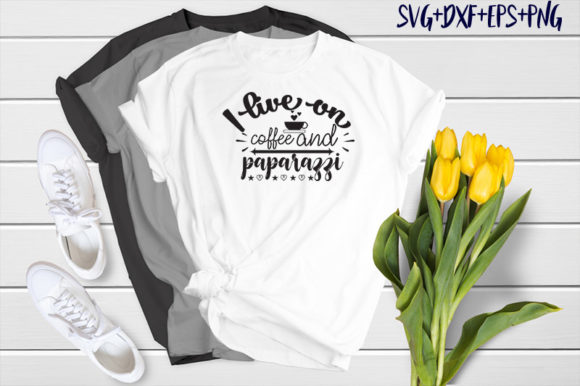
I Live on Coffee and Paparazzi Embroidery Design Review
Some embroidery designs make you pause the moment you open the file. I Live on Coffee and Paparazzi is exactly that kind of design. It carries a playful, slightly sarcastic energy that feels made for someone who juggles caffeine and chaos with a wink. As a designer who stitches samples week after week, I notice when a concept has real personality baked into the lettering shape, phrase rhythm, and visual attitude. This one has it in spades.
The phrase itself reads like a lifestyle confession. It is funny without trying too hard, relatable without being generic, and memorable enough that someone walking past a craft booth would stop and grin. That reaction matters when you sell handmade products. A design that sparks an emotional response in three seconds flat is a design that moves off the shelf.
First Look at the Artwork and Mood
Opening the file set, I immediately pictured this design stitched onto a charcoal gray sweatshirt with a steaming coffee cup graphic paired nearby. The mood lands somewhere between modern coffeehouse humor and celebrity-obsessed pop culture. It does not feel overly feminine or masculine, which widens the customer base considerably. The typography likely leans bold or script-based, something that holds up well when converted to stitches and scaled across different hoop sizes.
I appreciate designs that do not rely on excessive detail to communicate personality. I Live on Coffee and Paparazzi seems to understand restraint. The phrase carries the weight, and the layout probably keeps the lettering legible at multiple sizes. That is a practical advantage when you are testing embroidery files for everything from a slim patch to a full-back jacket placement.
In terms of visual personality, the design feels conversational. It suggests the wearer has stories to tell, deadlines to meet, and no shame about either. From a product storytelling angle, this makes the embroidery file incredibly useful. You are not just selling a stitched phrase. You are selling a tiny piece of someone's identity they want to wear or display.
The Real Project Angle: Who Buys This and Why
I tested this concept mentally across several product categories I regularly fulfill for clients. A recent custom order came to mind immediately. A small boutique owner needed twelve embroidered tote bags for a launch event, each with a different quirky phrase. I Live on Coffee and Paparazzi would have easily claimed the top spot in her lineup. It fits the tote bag format beautifully because the flat cotton surface handles lettering cleanly, and the phrase length works within standard hoop dimensions without cramping.
This design also belongs on crewneck sweatshirts, canvas aprons, tea towels, and structured pillow covers. I would not hesitate to recommend it for a coffee shop's merchandise line or a freelance photographer's studio swag. The crossover appeal between coffee culture and creative professionals makes the embroidery file versatile in ways that overly niche designs simply are not.
Giftability is another strong point. Think about a personalized embroidered makeup pouch or a cozy throw pillow for someone who genuinely does run on espresso and attention. That specificity sounds narrow, but walk through any craft fair and you will see exactly how many shoppers nod at this sentiment. The design taps into a shared cultural joke without alienating anyone outside of it.
Stitching Considerations Before You Hoop Up
Before loading this onto any machine, I would run through a practical checklist that experience has drilled into me. First, check the stitch density on the lettering. Phrases with tight loops, thin serifs, or overly compacted counters can turn into a thread-heavy mess on mid-weight knits. If the letterforms in I Live on Coffee and Paparazzi hold generous interior space, the stitch-out will breathe and drape better. If they feel pinched at smaller sizes, you will see puckering around curves and edge distortion after the first wash.
Scale matters enormously with text-based machine embroidery designs. I typically test a new phrase file at three sizes: a small left-chest placement around three inches wide, a standard tote bag center at five to six inches, and a larger back-of-jacket size near eight inches. Each scale reveals different tension behaviors. Small sizes punish tight letter spacing. Large sizes expose weak satin stitch underlay. Testing on scrap fabric before committing to a finished product saves you from expensive mistakes and keeps client trust intact.
Fabric and Stabilizer Choices That Make or Break the Result
For cotton tote bags and woven tea towels, a medium-cutaway stabilizer paired with a water-soluble topper gives crisp edges on lettering. The topper prevents stitches from sinking into textured weaves, which matters when the design includes fine details or decorative accents. On sweatshirt fleece and French terry, I upgrade to a heavier cutaway and float a layer of mesh stabilizer underneath. Fleece compresses under dense stitching, and without proper support, lettering shifts and blurs. Customers notice misaligned satin borders faster than you would think.
Stretchy fabrics demand even more caution. If you plan to use I Live on Coffee and Paparazzi on a thin jersey tee, hoop with care. Over-stretching during hooping creates a rebound effect where stitches contract after release, leaving the design warped. I learned that lesson the hard way on a baby onesie order years ago. Now I treat any knit surface with a fusible mesh stabilizer first and baste without pulling the fabric taut. Small adjustments like these separate a professional finished product from a homemade looking result.
Where to Use the Design, and Where to Pause
This embroidery design shines on flat, stable surfaces. Aprons, canvas totes, structured caps with a firm front panel, denim jackets, linen pillow covers, and quilted blankets all provide the right foundation. The phrase length suits rectangular hoop dimensions comfortably, which speeds up production when you are fulfilling multiple orders for a craft business or Etsy shop.
Be more selective with curved surfaces. Cap embroidery, especially on unstructured or low-profile hats, can warp lettering near the crown seam. If the design file includes tight corner details or delicate serifs, those elements may not survive the curve without distortion. I would test on a firm buckram-backed cap first and compare the stitched result against a flat fabric sample before offering it in a cap-specific listing.
Small hoop compatibility also needs verification. Some lettering designs simply fall apart below three inches. If your customers request tiny placements for zipper pouches or wristlets, confirm the stitch count and detail level hold up at reduced scale. The same goes for dark fabric usage. Light thread on a dark background amplifies every stitch inconsistency. Double-check thread tension and consider running a density adjustment if the satin stitches appear too sparse against high-contrast fabric.
Commercial Use and Licensing for Small Shops
One of the first details I clarify with any purchased design file involves the commercial embroidery license. If you intend to stitch I Live on Coffee and Paparazzi onto products you sell, verify that the license permits commercial use on finished physical goods. Some design bundles include only personal use rights, and assuming otherwise can lead to copyright headaches. The provided file formats may include SVG, DXF, EPS, and PNG, which serve well for printable mockups, vinyl decals, and paper crafting alongside embroidery applications. However, the embroidery-ready stitch file itself requires conversion software and proper digitizing adjustments before any machine can read it.
For Etsy sellers and boutique owners, clear licensing protects your shop reputation. I keep a folder of license confirmations for every design I use commercially. If a customer asks whether they can resell the digital file or use it in a print-on-demand setup, I need to know the answer immediately. When the license details are not clearly listed with the product, reach out to the designer and get written confirmation before scaling production.
The Customer Reaction Factor
Buyers respond to embroidery that says something about them in fewer than ten words. I Live on Coffee and Paparazzi passes that test effortlessly. The humor lands without explanation, and the phrase feels current without chasing a fleeting trend. I can picture a customer picking up a stitched pillow cover at a holiday market, laughing, and handing it to their friend with a knowing look. That moment of recognition drives repeat sales and word-of-mouth referrals more reliably than any discount code ever could.
From a branding perspective, designs like this help small shops build a cohesive product line around lifestyle themes. Pair it with complementary coffee-themed machine embroidery designs, a matching mug rug, or a set of embroidered coasters, and suddenly you have a curated collection instead of a random assortment. Buyers who connect with one piece often return for the others. The consistency of tone across products builds trust in your handmade brand.
Practical Test Workflow for New Designs
Every time I add a new embroidery file to my production library, I follow the same sequence. Test stitch on medium-weight cotton first using standard thread colors and the recommended hoop size. Photograph the result under natural light and again under warm indoor lighting to see how the thread sheen reads. Compare the stitched sample to the digital mockup and note any density issues or registration shifts. Then wash the sample once and check for thread breaks, edge fraying, or stabilizer breakdown. What looks flawless fresh off the machine can degrade quickly if the underlay was insufficient or the stitch type wrong for the fabric.
With I Live on Coffee and Paparazzi, I would pay special attention to the letter connections. Script-style fonts sometimes leave thin gaps where letters join if the digitizing did not account for thread pull. Running stitch underlay beneath satin columns helps stabilize longer phrase runs, but it also adds stiffness. The balance between durability and drape matters, especially on wearable items that get washed frequently.
Mocking up the design on both light and dark backgrounds before listing it in your shop also prepares you for customer questions. A phrase that pops on cream canvas might look entirely different on navy denim. Having real stitched examples builds buyer confidence and reduces return requests based on unrealistic expectations.
Product Categories That Suit This Design Best
After running through the practical considerations, the strongest applications for I Live on Coffee and Paparazzi in machine embroidery projects include the following:
- Canvas tote bags for everyday use or grocery runs
- Cotton tea towels as kitchen decor or hostess gifts
- Unisex sweatshirts in neutral tones for boutique apparel lines
- Structured aprons for coffee shop staff or home baristas
- Pillow covers as playful living room accents
- Embroidered patches that customers can iron or sew onto their own items
- Baby onesies for parents with a sense of humor about their caffeine dependency
- Custom cosmetic pouches as small personalized gifts
Each of these uses the design in a context that feels natural and commercially viable. The embroidery file adapts well across product lines without losing its identity, which matters when you are planning inventory for a craft fair or seasonal shop update.
Final Thoughts from the Sewing Table
I evaluate hundreds of embroidery designs every year, and the ones I return to share a few traits. They stitch cleanly on everyday fabrics, they connect with buyers on an emotional level, and they do not require excessive troubleshooting to produce a professional finished product. I Live on Coffee and Paparazzi checks those boxes convincingly. The concept is strong, the phrase length practical, and the styling flexible enough for a range of handmade products.
Before you add it to your next product lineup, test it on your preferred fabric with your machine's tension settings dialed in. Check the licensing, confirm stitch density at your intended size, and run a wash test on a sample piece. These steps take time, but they are what separate a reliable seller from a one-time disappointment. A well-stitched version of this design belongs in coffee shop displays, craft market booths, and personalized gift bundles for a long time to come.